Running until 15 February 2026
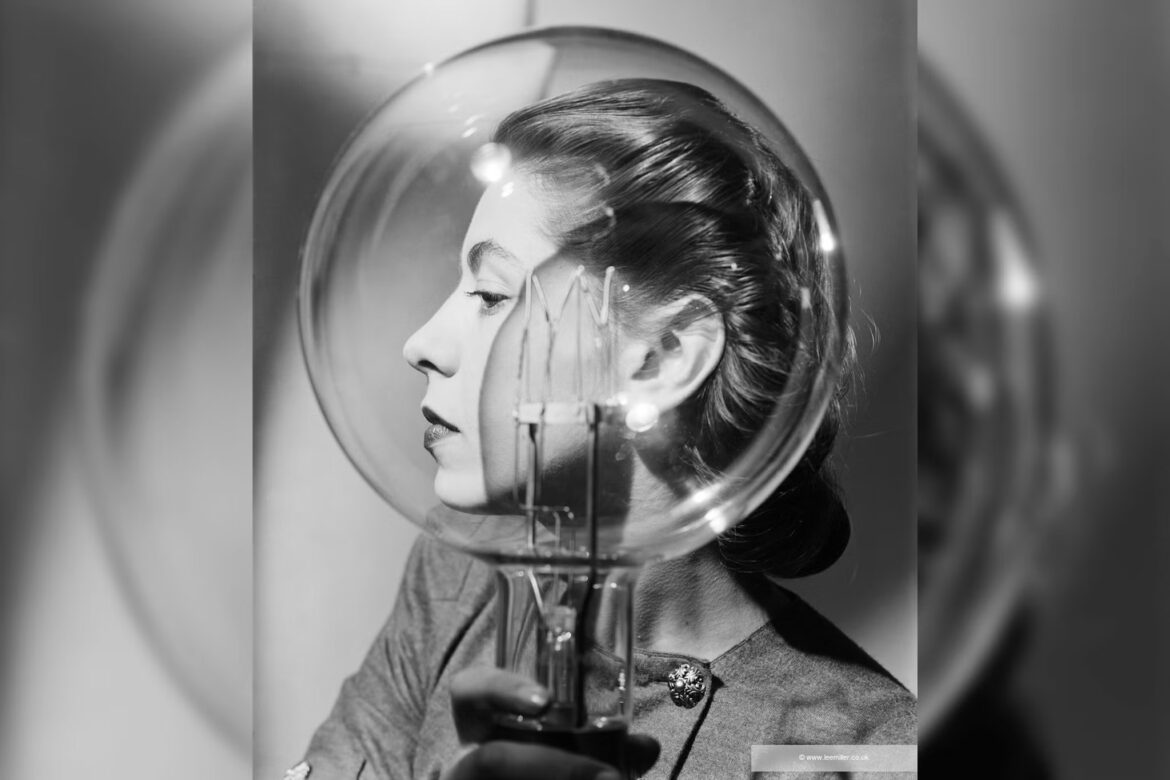
Some creative minds are impossible to categorise or label, and Lee Miller is a prime example of this. The daughter of an amateur photographer, she was familiar with camerawork from a young age and posed for her father as a model since childhood. She was ‘practically born and brought up in a dark room,’ as she herself put it. She started modelling professionally in 1920s New York City and was featured on early Vogue covers. Photography was a relatively new art form, so she was essentially part of the first wave of models at a time when fashions were changing drastically.
Having studied painting, she moved to France with the explicit goal of honing her artistic skills. She asked artist Man Ray if she could go to Paris with him, and the two began a professional and romantic partnership that resulted in a substantial body of joint work. The two were part of the Surrealist movement, and playfully experimented with their cameras as they searched new ways to capture reality. Together, they established and popularised the solarisation technique, an effect achieved by briefly exposing a print or negative to light while it’s still developing. It results in pronounced outlines and greater contrast – a dreamlike quality that suits the Surrealist aesthetic.
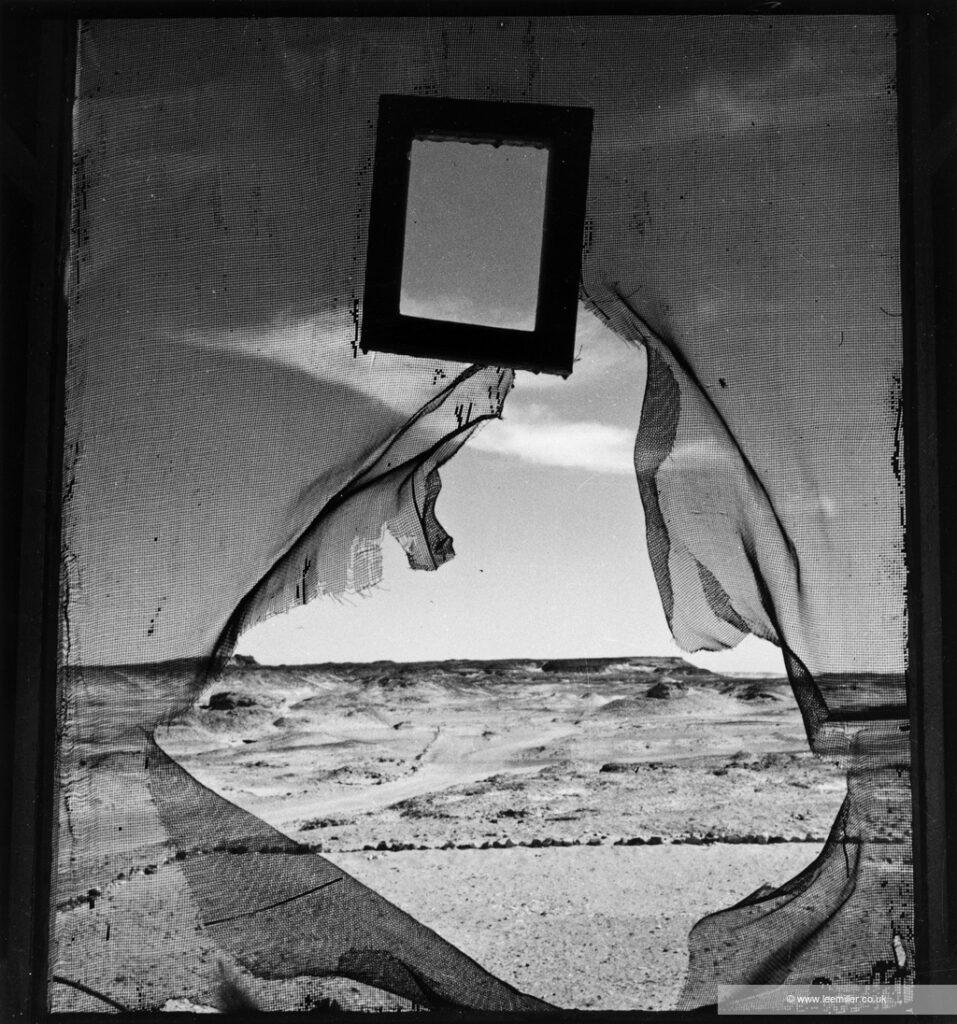
Over the years, Miller formed connections with some of the most influential artists of the time. She photographed the likes of Pablo Picasso, Charlie Chaplin and René Magritte. Eventually she felt ready to run her own photographic studios and her work circulated widely. A spell in the Middle East, during her marriage to an Egyptian businessman, inspired her to visit and photograph places that were considered off-the-beaten-track, and she was also involved in the Surrealist art scene in Cairo.
For more information or to book, visit the Tate Britain website here.
All rights reserved. leemiller.co.uk
She returned to Europe in the 1940s and was appointed lead fashion photographer at British Vogue, but as World War II raged on, she was no longer satisfied with merely keeping up morale through fashion – she wanted to be actively involved. She became a war correspondent, reporting from the thick of the action and writing first-person accounts that were published alongside her photographs. Later in life, shaken by what she had witnessed, she changed direction and reinvented herself as a gourmet chef, turning her attention to hosting and creating her own inventive recipes.
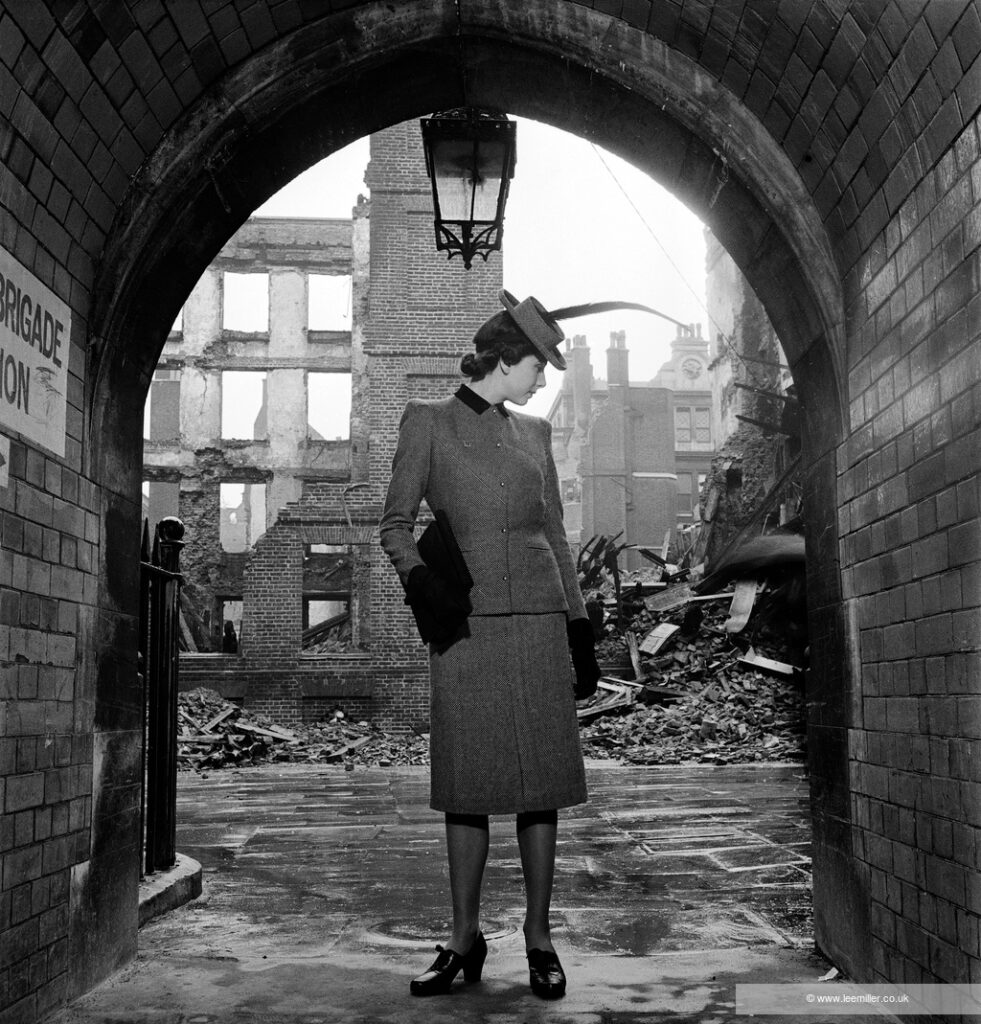
The exhibition focuses largely on Miller’s photography, but as her talents were so varied and unbounded, it inevitably becomes a celebration of her as an all-round artist, as a person who embodied art so fully that she herself became a ‘subject of interest.’ In this sense, the curators have succeeded in tying all the various threads and in creating a sense of flow and continuity even as her life path went from glamour to the horrors of war. In spite of the changing contexts, Miller displayed the same curiosity and determination to challenge conventional ways of seeing.
With dozens of photographs and annexed stories to pore over, this exhibition offers a great opportunity to be inspired by an artist who moved boldly through a fast-changing world and who exemplifies what it means to witness and experience life through art.
— Mersa Auda