IRAN, 2025.
RELEASE DATE: 5 December 2025 (UK).
Celebrated Iranian director Jafar Panahi is known to cause a stir with his films in more ways than one. Besides receiving great acclaim worldwide, his work has also cost him much legal trouble over the years due to Iran’s restrictive laws. He has reprised filmmaking following a forced hiatus caused by his 2023 imprisonment, although technically he is still banned from his profession.
The legal issues are ongoing, and he was sentenced to one year in prison in December 2025, once again due to alleged ‘propaganda’ against the government. This is the context in which It Was Just An Accident (یک تصادف ساده) was born, proving that sometimes cinema is far more than mere entertainment but rather a powerful social tool that can contribute to social change.
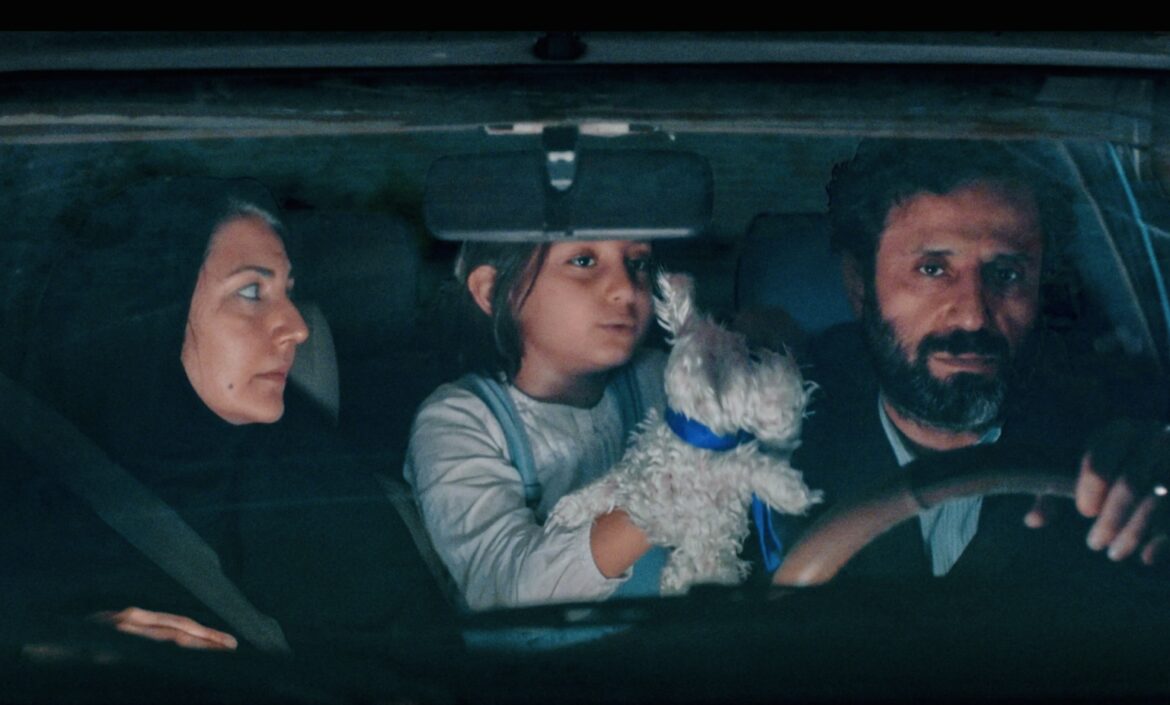
The story that Panahi chooses to tell is of a sociopolitical nature, but the focus is on the psychological experience of the people involved. A tricky moral question shakes up an ordinary day for Vahid (Vahid Mobasseri), a mechanic and former political prisoner who believes he has come face to face with the jailor who had once tortured him (Ebrahim Azizi). Shaken up by anger but held back by misgivings about the man’s identity, he gathers other survivors and they embark on a very tense and emotional journey.
The group is made up of people from different walks of life who are practically strangers to each other, but they find themselves united in front of a shared dilemma: should revenge be sought on the presumed perpetrator or would it be best to let forgiveness terminate the cycle? The protagonists oscillate between opposing stances, unsure whether they should vindicate their past or invest their hopes into the future.
There’s a thin line between good and evil, and Panahi places his characters right on that spot. The story probes into questions of memory and the difficulty of determining what is just, especially when personal trauma is involved. The protagonists find that a single practical decision can be loaded with many more questions to untangle than they are ready to face. The poignancy of the story also comes from the fact that they have to align their values and feelings and act as one. They must respect the collective good, just like any community, or society, ought to do.
Visually and aurally restrained, the film relies on the plot to deliver suspense gradually. Simple dialogues and loaded silences weave a complex ethical debate as well as a crescendo of tension. The cinematography favours realism and sobriety, and effectively captures the well choreographed movements and the shifts in group dynamics as the ensemble moves between confined spaces and open landscapes. While the drama loses some momentum in the final part, what is most striking about the story is how it portrays the fragile equilibrium of a person’s moral compass, which is tested and swayed by injustice, trauma, exasperation and fear.
The Immersive Verdict: There’s a thin line between good and evil, and Panahi places his characters right there. Visually and aurally restrained but tense and poignant, it proves that sometimes cinema is far more than mere entertainment, but rather a powerful social tool.
— Mersa Auda